

# The Appalachian Trail Through the Berkshires: A Cannabis-Aware Section-Hiker's Guide for Adults 21+
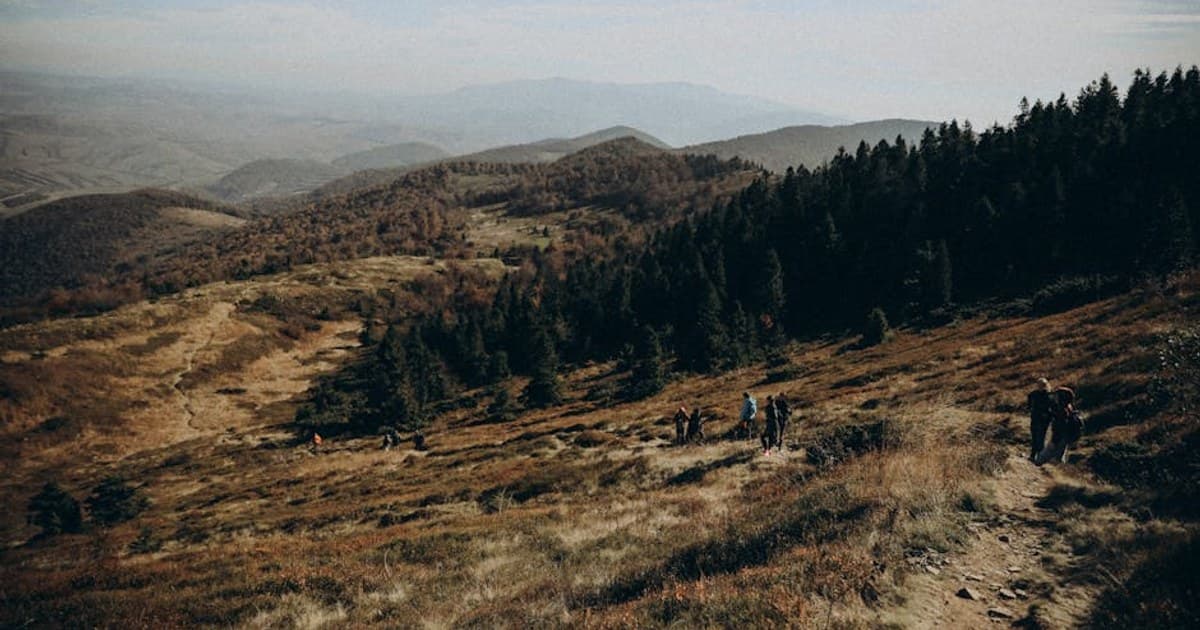
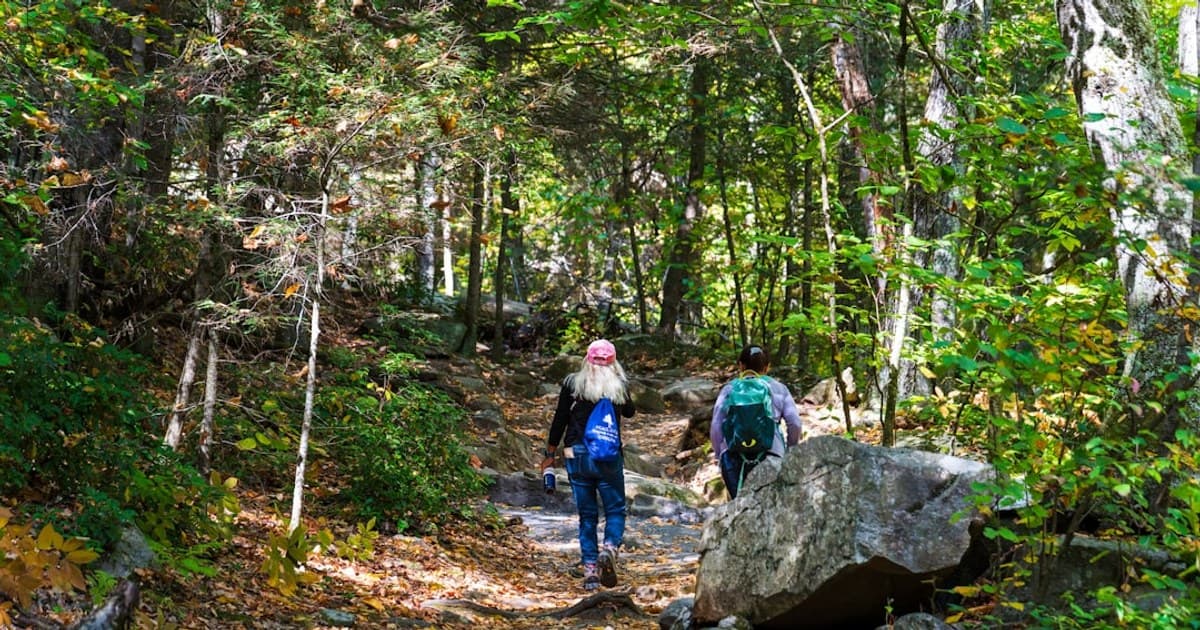
The Appalachian Trail covers roughly 90 miles inside Massachusetts, and almost all of that mileage sits inside Berkshire County. For section-hikers and the occasional thru-hiker drifting through in July or August, this stretch of the AT is a string of long ridge walks, a handful of trail towns, and a summit, Mount Greylock, that is the highest point in the Commonwealth. It is also a stretch where the cannabis-and-hiking conversation gets unusually clear, because most of the trail corridor is federal land, where federal law applies regardless of what the state has legalized.
This guide is written for adults 21+ planning a Berkshires section hike. Massachusetts legalized adult-use cannabis in 2016, which means licensed retail exists in every part of the county and any verified adult can plan a town night around it. The trail itself is a different jurisdiction. The honest read: shop in town, consume on private property, and treat the corridor itself as off-limits.
The route, south to north
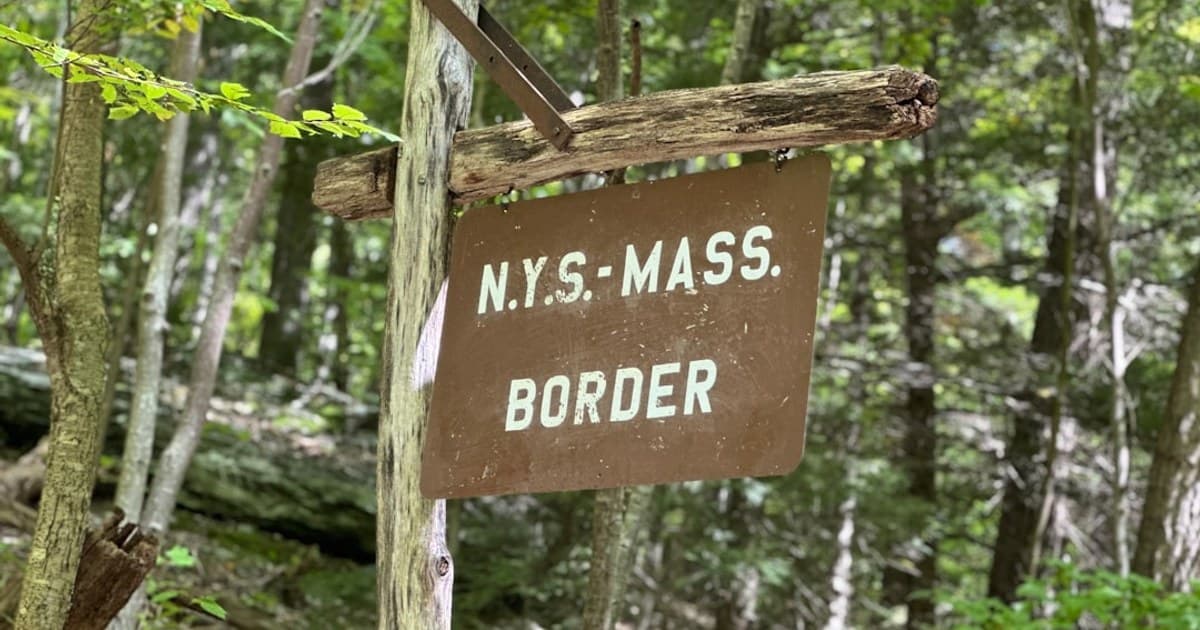
Northbound hikers cross into Massachusetts at Sages Ravine, a hemlock-walled gorge that is one of the prettiest border crossings on the entire AT. From there the trail climbs onto the Taconic ridge over Race Mountain and Mount Everett, both above 2,000 feet, both with open ledges that hold weather longer than the surrounding valley. The descent through Jug End drops hikers into the flat farmland around Sheffield and South Egremont.
Continuing north, the trail crosses Route 7 near Sheffield, then climbs east through the Housatonic Valley toward Great Barrington. After Great Barrington, the corridor enters Beartown State Forest, traverses Mount Wilcox, and continues into the long ridge of October Mountain State Forest, the largest state forest in Massachusetts. The trail then drops into Dalton, walks through town, and continues over rolling country to Cheshire.
North of Cheshire, the AT climbs Mount Greylock, summits at the War Memorial Tower, descends through the Hopper, and finishes its Berkshires run on the long roll into Williamstown and the Vermont border. For the Greylock summit day in more detail, see the Mount Greylock and Adams mountain day.
Town crossings as resupply and cannabis-aware pacing
The Berkshires AT has two town walks where the white blazes follow sidewalks: Dalton and Cheshire. Dalton, the larger of the two, is also home to Crane & Co., the paper mill that has supplied U.S. currency stock for generations. The trail crosses through residential streets past corner stores, a post office, and the kind of small commercial strip that makes a hot-meal resupply easy. Cheshire is smaller, with a gas station and a quieter village feel, and it sits near the base of the Greylock climb.
Williamstown, at the north end of the Berkshires AT, is more college town than trail town, anchored by Williams College and the Clark Art Institute. Section-hikers ending a northbound Berkshires segment typically come off the trail here.
The pacing question for cannabis-aware hikers is straightforward. Massachusetts state law prohibits cannabis consumption on state-owned land and in public spaces, and the AT corridor adds a second layer: it is mostly federal land. The pacing that works is to treat town nights, in licensed lodging, on private property with the door closed, as the consumption window. Trail mornings stay clean.
Three popular section-hike weekends
Sheffield to Great Barrington (~14 miles, easier)
The southernmost Berkshires section is the friendliest first AT weekend. The terrain is moderate after the Race-Everett descent, and the endpoints are both Route 7 towns with full services. Park a shuttle car in Great Barrington, get dropped at the Jug End trailhead, and walk in over a day and a half. The Pass Berkshire Dispensary in Sheffield sits on the Route 7 corridor and works as a stop on the drive in or out. Theory Wellness in Great Barrington is the town anchor at the finish.
Great Barrington to Becket (~25 miles, moderate)
This is the long ridge hike of the Berkshires AT: out of Great Barrington, up into Beartown, over Mount Wilcox, and across the high country toward the Becket town line. Most hikers split this over three days with shelter nights in the state forest sections. The October Mountain stretch is the wildest-feeling section of the entire Berkshires AT.
For town-night pacing, Canna Provisions in Lee, just off Mass Pike exit 2, is the closest licensed retailer to the Beartown-Becket corridor. Lodging in the area runs from chain options near the Pike to the inns clustered around Stockbridge and Lenox. The Stockbridge-to-Lenox foliage weekend pacing piece covers the lodging math for that corridor in detail.
Dalton to Cheshire (~10 miles, easier)
The shortest of the three classic splits, and the most town-walk-heavy. The trail leaves Dalton on the village streets, climbs into the hills north of town, and rolls into Cheshire. This is a good single-day section with a town breakfast at one end and easy access to the Pittsfield retailers on either side. Bloom Brothers and Berkshire Roots both anchor the Pittsfield corridor.
Where to shop, by section
Berkshire County has more than a dozen licensed cannabis retailers; verifying any operator's current license status is straightforward at the Massachusetts Cannabis Control Commission's public licensee lookup at masscannabiscontrol.com. For section-hikers, the geography breaks down like this:
South sections (Sages Ravine through Great Barrington): The Pass Berkshire Dispensary in Sheffield is closest to the Race-Everett corridor. Theory Wellness in Great Barrington serves the GB-to-Beartown segment. Farnsworth Fine Cannabis, also in Great Barrington, runs a boutique-format option in the same town.
Central sections (Beartown through October Mountain): Canna Provisions in Lee is the Mass Pike exit 2 anchor and the most convenient stop for hikers transitioning off the trail toward the Lee-Lenox lodging cluster. In Pittsfield proper, Bloom Brothers and Berkshire Roots both serve the central corridor.
North sections (Dalton through the Vermont border): Silver Therapeutics in Williamstown is the only licensed retailer north of the Pittsfield cluster and the natural endpoint stop for any northbound Berkshires AT finish. For the broader county options, see the full Berkshires dispensary directory.
For edibles in particular, the section-hiker note is simple: start low, go slow, and remember that tired legs and altitude are not a place to discover how a 10mg gummy lands on you.
Thru-hiker culture and the Berkshires trail-town reputation
The AT thru-hiking calendar runs north from Springer Mountain in spring and reaches Massachusetts in roughly July or August. By the time most thru-hikers hit Sages Ravine, they have walked more than 1,500 miles and earned their trail names. The Berkshires sit at a culturally distinctive point on the trail: after the long green tunnel of the mid-Atlantic, the trail re-enters real mountains with Greylock as the marker.
Trail-town culture in the Berkshires has historically been welcoming. Dalton in particular has a long-standing reputation as one of the friendliest AT towns on the entire trail, with traditions of locals offering rides, refills, and hospitality. Cheshire has a smaller but similar character. Williamstown, with its college-town infrastructure, runs a more standard town-stop economy.
For cannabis-aware thru-hikers, the calendar matters: Massachusetts licensed retail is open to anyone 21+ with a valid government ID, regardless of state of residence. The town-night pattern, with consumption on private property in a licensed lodging, is how the trail-town reputation aligns with state and federal law as currently written. The North Adams mill-town revival weekend piece covers the lodging landscape in the far north county for hikers extending past the Williamstown finish.
Compliance: federal land, state law, and private property
The single most important rule for cannabis-aware section-hikers in the Berkshires: the AT corridor is federally administered, mostly by the National Park Service through the Appalachian National Scenic Trail unit, with long stretches running through state forests under DCR management. Federal law classifies cannabis as a Schedule I controlled substance, and federal law applies inside the trail corridor regardless of the legal status of cannabis in the surrounding state.
State forest sections layer on the state-land rule. Beartown, October Mountain, and Mount Washington are all DCR-managed lands the trail crosses. Massachusetts state law prohibits cannabis consumption on state-owned land and in public spaces, the same restriction that applies to every DCR park in the Commonwealth. AT shelters and campsites are not private property; the same restriction applies.
The working pattern: licensed retailer in a trail town, consumption on private property in a paid lodging where the operator's house rules allow it (always confirm; many B&Bs and inns are non-smoking, and some are explicitly cannabis-restricted), and no consumption inside the trail corridor or any state forest section. Some consumers describe a town-night routine as part of how they pace a long hike; that framing is part of the lifestyle conversation, not a medical claim.
FAQ
Is cannabis allowed on the Appalachian Trail in Massachusetts? No. The AT corridor is federal land administered primarily by the National Park Service. Federal law overrides state legalization inside the corridor. The same restriction applies in the DCR state forest sections the trail crosses, because Massachusetts state law prohibits cannabis consumption on state-owned land and in public spaces.
Where can section-hikers legally consume cannabis in the Berkshires? On private property, with the property owner's permission. For section-hikers, that typically means a paid lodging in a trail town whose house rules permit cannabis use. Confirm with the operator before booking.
Do out-of-state hikers need a Massachusetts ID to buy from a licensed dispensary? No. Any adult 21+ with a valid government-issued photo ID can purchase from a licensed Massachusetts retailer. Out-of-state IDs are accepted. Possession and consumption remain subject to Massachusetts law inside the state.
Which licensed dispensary is closest to a Berkshires AT trailhead? The Pass Berkshire Dispensary in Sheffield is closest to the southern AT sections. Silver Therapeutics in Williamstown is closest to the northern terminus near the Vermont border. Canna Provisions in Lee anchors the central corridor near Mass Pike exit 2.
How can hikers verify a Berkshires dispensary is properly licensed? The Massachusetts Cannabis Control Commission maintains a public licensee lookup at masscannabiscontrol.com. Every legitimate operator appears in that database with a current license number and operating status.